
If you’re in your 30s or 40s and starting to feel like your body is acting… different, you’re not imagining it. Maybe your cycle is suddenly unpredictable, or your PMS has taken a turn into full-blown emotional rollercoaster territory. Maybe your sleep is off, your mood is all over the place, or you just don’t quite feel like yourself.
Here’s the truth: this is common, and it often comes down to hormone changes.
Let’s talk about what’s actually happening in your body, what you can expect, and how you can rebalance naturally so you can feel more like yourself again—or even better.
First Things First: You’re Not Crazy (And You’re Not Alone)
A lot of us are taught to think that hormone shifts only happen during menopause. But the reality? Hormonal changes can begin as early as your mid-30s.
This transitional time, often called perimenopause, is the slow, winding path toward menopause that can last years (yes, years!). It’s filled with subtle (and not-so-subtle) symptoms of hormone imbalance in women that are completely normal—but often brushed off.
If you’ve ever been told “you’re too young for that” or felt dismissed, please know: your experience is valid.
What to Expect in Your 30s as a Woman (And Into Your 40s)
As hormones like estrogen, progesterone, and testosterone start to shift, so do your symptoms. Here are the most common hormone changes symptoms to watch for:
1. Your Period Might Become… Unpredictable
Remember when your cycle used to run like clockwork? Suddenly it might be a few days early. Or late. Or heavier. Or lighter.
- Cycles might shorten from your typical 28-30 days to 21-25 days
- Periods might be heavier with clots or lighter than usual
- Anything outside of 21-35 days or lasting more than 7 days? Time to check in with a specialist
These changes can all be part of the shifts that lead up to hormone changes in your 40s and even early perimenopause.
2. Insomnia Hits Out of Nowhere
If you find yourself wide awake at 2am for no reason, hormones could be to blame.
Low progesterone messes with your GABA (a calming neurotransmitter), and low estrogen messes with melatonin (your sleep hormone).
Translation? Restless nights, groggy mornings, and a whole lot of frustration.
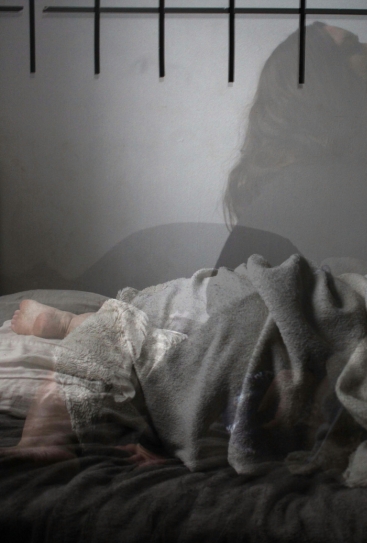
3. Mood Swings, Anxiety, or Depression
Feeling extra irritable, teary, or anxious? Hormonal shifts can amplify emotional sensitivity and even mimic or worsen mood disorders.
High progesterone can interfere with estrogen receptors, impacting serotonin production—the feel-good brain chemical—leading to low mood.
Low progesterone often brings increased anxiety, irritability, and restlessness, especially in the luteal phase (the week or two before your period).
Low estrogen can leave you feeling flat, unmotivated, and less resilient to stress because estrogen helps regulate both serotonin and dopamine.
Low testosterone can reduce mental stamina and emotional stability, making irritability and low mood more likely.
These changes don’t mean you’re “broken” or destined for chronic depression — they mean your brain chemistry is responding to hormonal fluctuations. The tricky part is that these symptoms can appear even if your life feels stable, making them harder to pinpoint as hormonal.
If you notice persistent or worsening symptoms, it’s worth tracking them alongside your cycle to see if they follow a hormonal pattern, and speaking with a healthcare provider who understands women’s midlife hormonal health.
4. Brain Fog and Fatigue
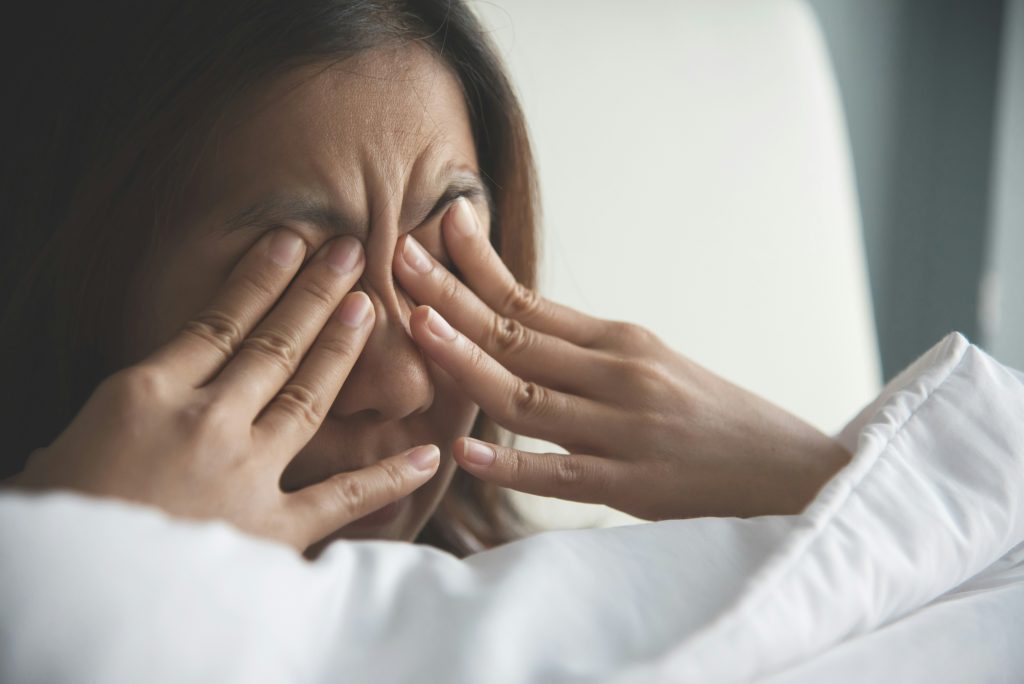
Can’t focus? Feeling drained no matter how much sleep you get? This is another sneaky symptom of hormone imbalance in women.
Estrogen, testosterone, and even cortisol (your stress hormone) all play a role in your mental clarity and energy levels.
5. Low Libido
You still adore your partner, but the desire?
Kinda MIA.
That’s because estrogen, progesterone, and testosterone all contribute to sexual desire and pleasure. When they shift, so does your drive.
It’s common, but it is addressable.

6. Your Skin Starts Acting Up
Your once-normal skin might suddenly feel dry, dull, or like a teenager’s (hello, breakouts).
- Lower estrogen = less collagen and hydration
- Lower progesterone = thinner, more delicate skin
- Elevated testosterone = oily skin and acne
Aging gracefully? Yes. Surprised by your skin’s mood swings? Also yes.
So What Can You Do About It?
This is where the empowerment begins. You don’t have to just “ride it out.”
Here’s how to support your body and rebalance hormones naturally:
1. Prioritize Sleep Like It’s Your Job
Your hormones regulate while you sleep. So give yourself a solid 7-9 hours in a cool, dark room, free of screens and stress. Consistent bedtimes help, too.
2. Manage Stress to Support Your Adrenals
Your adrenal glands help pick up the hormone production slack as your ovaries slow down.
- Try daily mindfulness or meditation
- Say no more often (permission granted!)
- Walk, breathe, journal—whatever lowers your stress load
3. Balance Your Blood Sugar
This is huge. Blood sugar instability can tank your hormones and make every symptom worse.
- Eat enough—don’t under-eat!
- Focus on protein, healthy fats, and fiber-rich carbs
- Limit refined sugars and starches
4. Move Your Body (But Ditch the Chronic Cardio)
Weight training helps boost testosterone and regulate estrogen.
- Aim for strength training 2-4x/week
- Add in short, high-intensity bursts of cardio
- Skip the hour-long runs if they leave you wiped out
The Bottom Line
Experiencing hormone changes in your 30s and 40s doesn’t mean something is wrong with you. It means your body is doing what it’s designed to do—transition.
But you can make that transition smoother. With intentional self-care, nutrition, and support, you can feel grounded and vibrant even as your hormones shift.
So if you’ve been noticing changes and wondering if it’s hormonal? Chances are, it is. And you’re not alone in it.
Remember: this is your body’s invitation to check in, slow down, and recalibrate. And you’ve got everything you need to do just that.
FREE CHECKLIST
Aging Gracefully: The 5 Habits You Need to Know (That Don't Involve Botox!)
Do you want to know the secret to slowing down the aging process naturally? Look no further than our healthy aging checklist! Don’t worry – these healthy aging habits are easy tweaks on things you’re already doing every day. We’ll guide you through each simple step – so what are you waiting for? Grab your checklist today!
By subscribing above you’ll be added to our newsletter list. You’re welcome to unsubscribe at anytime. We don’t do spam. We collect, use and process your data according to our Privacy Policy.
FREE REPORT
Ready to Age Better? Discover The #1 Thing You Can Do Today to Slow Aging
What if you could slow down the aging process with just one simple step? It’s like finding the fountain of youth, but without all the fuss and complicated rituals. Get our report and discover the one thing you should be doing today to slow down aging naturally! Trust us, your future self will thank you.
By subscribing above you’ll be added to our newsletter list. You’re welcome to unsubscribe at anytime. We don’t do spam. We collect, use and process your data according to our Privacy Policy.


